Sea Glass Colors, Beach Glass Colors, Rare Seaglass Colors
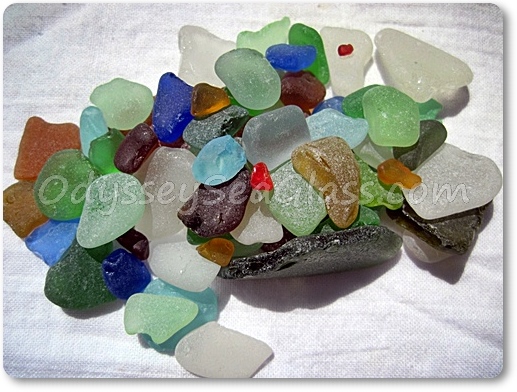
Authentic sea glass colors reflect all the spectrum of glass colors and tones from clear to black that have been produced over the centuries.
Some sea or beach glass colors are common and easily found, while other colors are extremely rare. Why?
A brief look at the history of sea glass explains this. Glass was first made possibly as early as 1730 BC in Asia.
Glass is made from silica (historically in the form of sand) and alkali
or soda ash (sodium carbonate), which can be extracted from the ashes
of many plants. These two ingredients were melted together to form early
glass.
This process, which makes soda-lime glass, is still the basic process used in making glass today.
What makes the different colors?
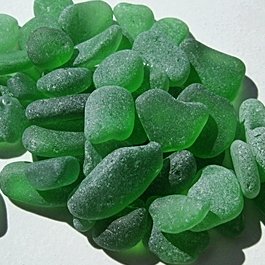
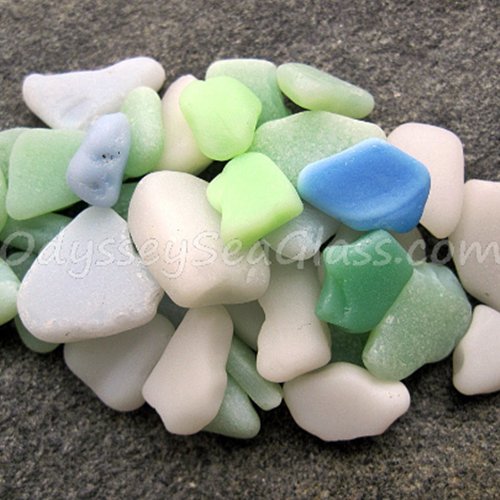
Clear (white), as we know, is made with soda-lime. Impurities in the sand used resulted in fairly-common pale green.
To produce colors the following minerals alone or combined with other minerals produce the following colors glass:
| COLOR | PRIMARY MINERAL | |
 |
Bluish-green (beer and wine bottles) | Iron |
 |
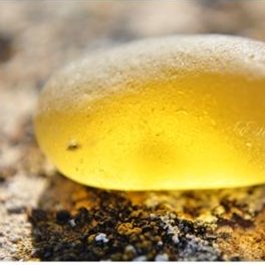
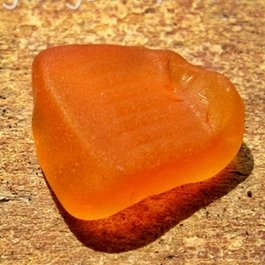
Amber, yellow, and near black | Sulphur |
 |
Amethyst and purple | Manganese |
 |
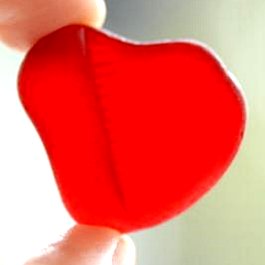
Red and pink | Selenium |
| Ruby and cranberry | Metallic gold | |
 |
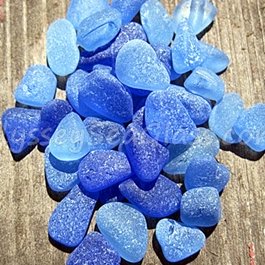
Blue | Cobalt |
 |
White (opaque) | Tin |
 |
Turquoise | Copper oxide |
 |
Dark red (opaque) | Pure metallic copper |
 |
Blue, violet, purple, and black | Nickel |
 |
Fourescent yellow, green, and red | Uranium |
| Orange-red to yellow | Silver | |
As you can see, some of the most beautiful colors involve not only much more
costly ingredients, but the process involved also may cost significantly
more to produce deep vibrant colors and so has generally only been used
for limited production.
Naturally, the rare exotic hues are the most vibrant
sea glass colors and also the most sought after by collectors for their
sea glass collections and sea glass jewelry and sea glass art.
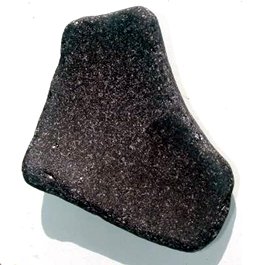
See also the specific pages on the following beach glass colors:
Recent Articles


-
Grant Park Picnic Area 5 and Seven Bridges Trail in South Milwaukee, WI
Oct 14, 25 10:58 AM
 Grant Park Picnic Area 5 and Seven Bridges Trail in South Milwaukee, WI Put grant park beach picnic area 5 in your map and park at the parking lot at
 -
What could this sea glass from Newport RI be from?
Oct 13, 25 12:57 PM
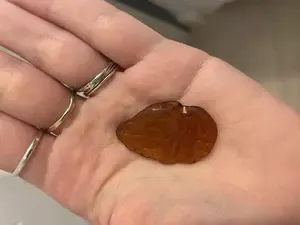 I found this in Newport Rhode Island, the writing is very cool and id love to know what it’s from. You’ve unearthed something truly special — a red
 -
From Once the Ocean | Sea Glass Origins & Artistry – Odyssey Sea Glass
Sep 10, 25 02:21 PM
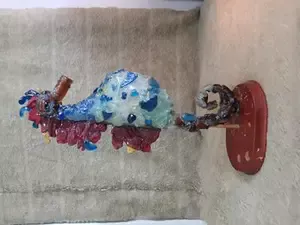 Thank you, Jai! New Jersey can produce some nice sea glass. Sea glass crafts are such a fun way to turn those little ocean treasures into something beautiful
 -
Need help identifying sea glass
Aug 23, 25 08:37 AM
 Hi, This is the second piece of sea glass I have ever found. Not sure what it might have been. Pattern on it, shape and size has me wondering. Thank you
 -
Seacliff Beach Sea Glass | Santa Cruz Collecting & Cement Ship History
Aug 19, 25 04:09 PM
Explore Seacliff Beach sea glass in Santa Cruz—tips, photos, and the story of the cement ship now mostly washed away by storms. -
Best Sea Glass Beaches in Massachusetts
Aug 15, 25 07:18 PM
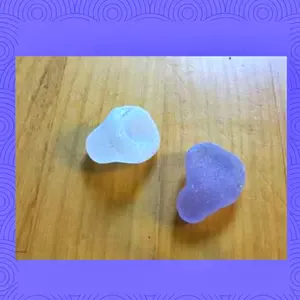 Massachusetts sea glass finds—thick, frosted treasures with mysterious origins and timeless coastal charm.
 -
Responsible Sea Glass Collecting
Aug 14, 25 03:44 PM
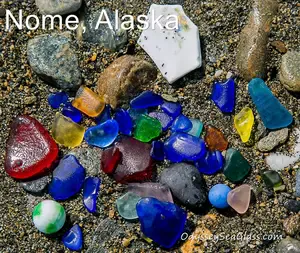 Explore the debate over sea glass collecting and its impact on beaches. Learn tips for responsible beachcombing, why sea glass is disappearing, and how to enjoy this hobby sustainably. Find advice, st…
 -
Conneaut Beach, Ohio - Sea Glass
Aug 08, 25 12:04 PM
 Conneaut Beach, Ohio — Sea Glass Conneaut Beach, tucked along the shores of Lake Erie in northeastern Ohio near Pennsylvania, offers
 -
Santa Monica: Sun, Sand, and Maybe Sea Glass?
Aug 01, 25 04:45 PM
Explore Santa Monica's top attractions and learn about the possibility of finding sea glass. Get tips for beachcombing on this famous California beach and see if you can discover your own ocean-tumble… -
Culburra beach glass
Jul 31, 25 05:17 PM
Culburra Beach – South Coast Sea Glass Haven Nestled on the beautiful South Coast of New South Wales, Culburra Beach is a quiet coastal town known for